Control Before Construction
Why Institutional Projects Succeed or Fail Long Before Mobilization
Institutional projects do not fail because crews cannot install materials. They fail because early assumptions are allowed to stand long after they should have been challenged.
In public and civic work, early numbers harden quickly. Once funding structures, schedules, and compliance requirements lock in, flexibility disappears. At that point, changes become disruptive instead of corrective.
The exterior envelope often becomes the first place where that exposure shows up. If it is not controlled upstream, uncertainty compounds across the entire job.
Our experience in institutional work has reinforced a core truth: control must be established before construction begins. Not managed later. Not solved in the field.
1. Cost Control Starts With Ownership, Not Estimates
Institutional work demands real pricing, not placeholders.
Early budgets often rely on square-foot assumptions that fail to account for tariffs, long-lead materials, complex furring or thermal assemblies, and panel constraints that create delta waste.
When those realities surface late, they force redesign, scope reduction, or schedule pressure.
Construction Ahead mitigates that risk by keeping estimating and cost analysis fully in-house. This allows pricing to be tracked from design development through construction documents and adjusted in real time with project teams.
This is not about lowering costs at any cost. It is about removing false certainty before it becomes exposure.
2. System Decisions Must Be Verified Early, Not Deferred
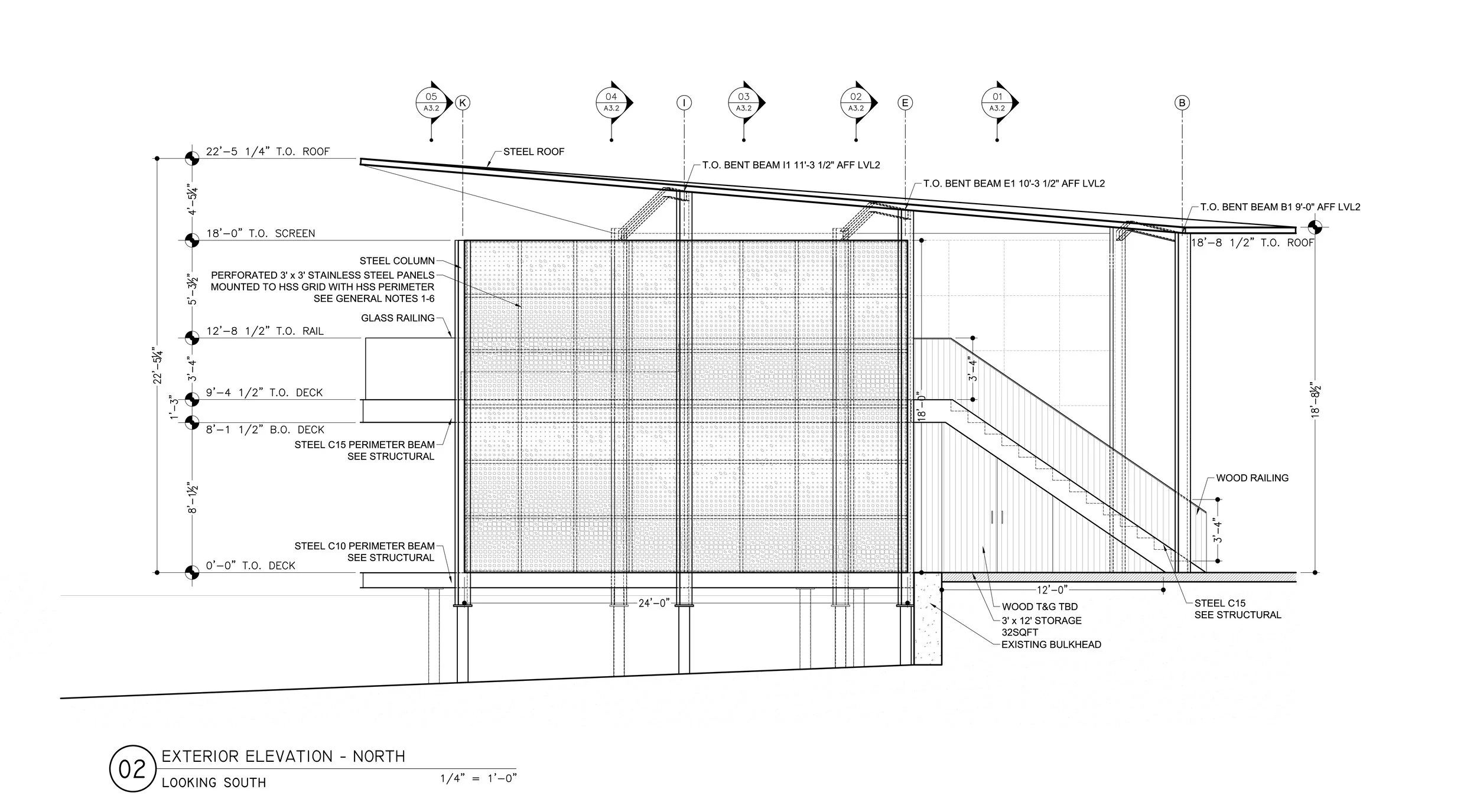
Complex institutional buildings require precise detailing, but drawings alone do not ensure a building performs.
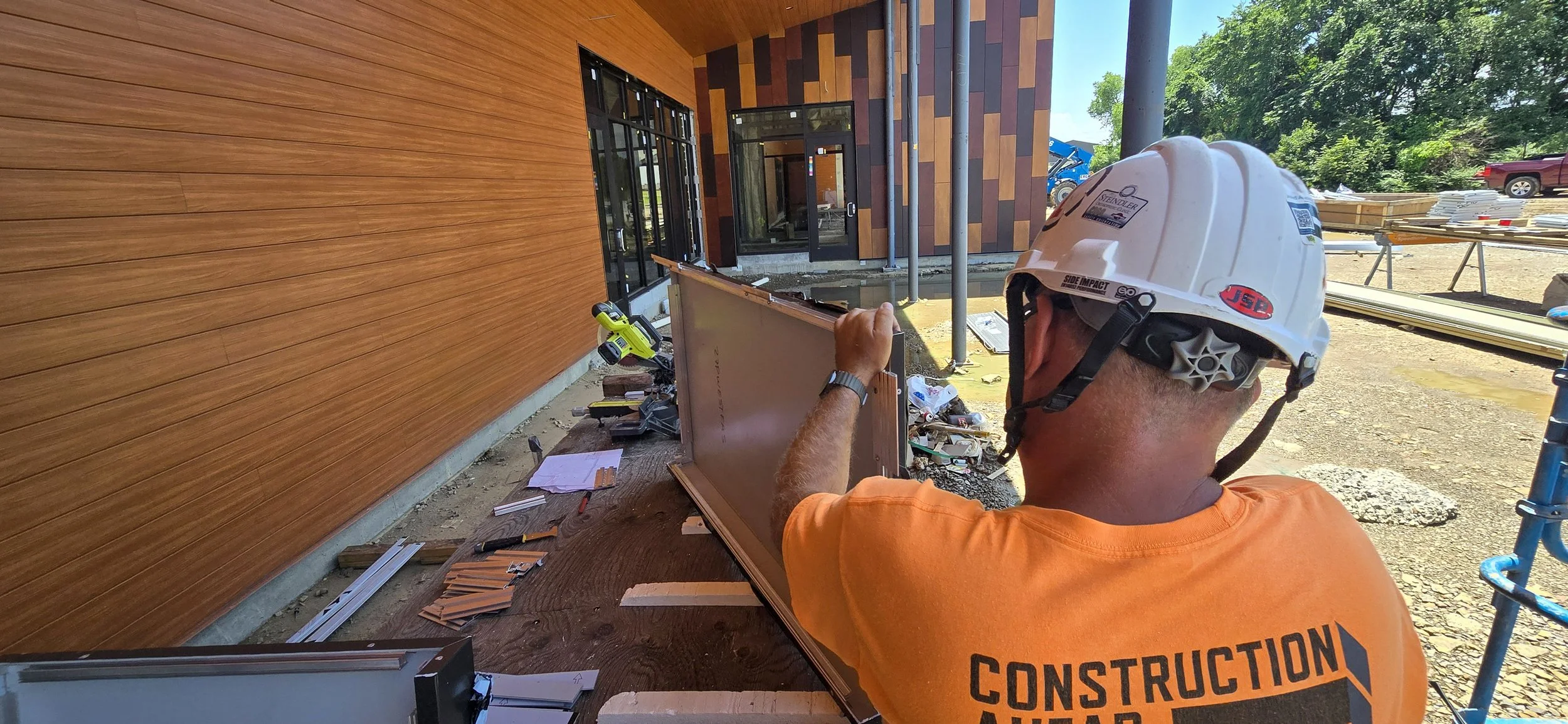
Where systems converge, roofs meet walls, or planes change, the real test is whether those conditions are confronted early or deferred until access is gone. Too often, these moments surface at the end of the job, when the only option left is a cosmetic fix.
Successful teams treat these conditions as early verification points. They are reviewed, discussed, and physically confirmed, while sequencing can still be adjusted, and accountability is clear.
Timing, not detailing, is what prevents late-stage corrections.
3. Predictable Execution Depends on Accountable Labor
Once construction begins, variability becomes the greatest threat to stability.
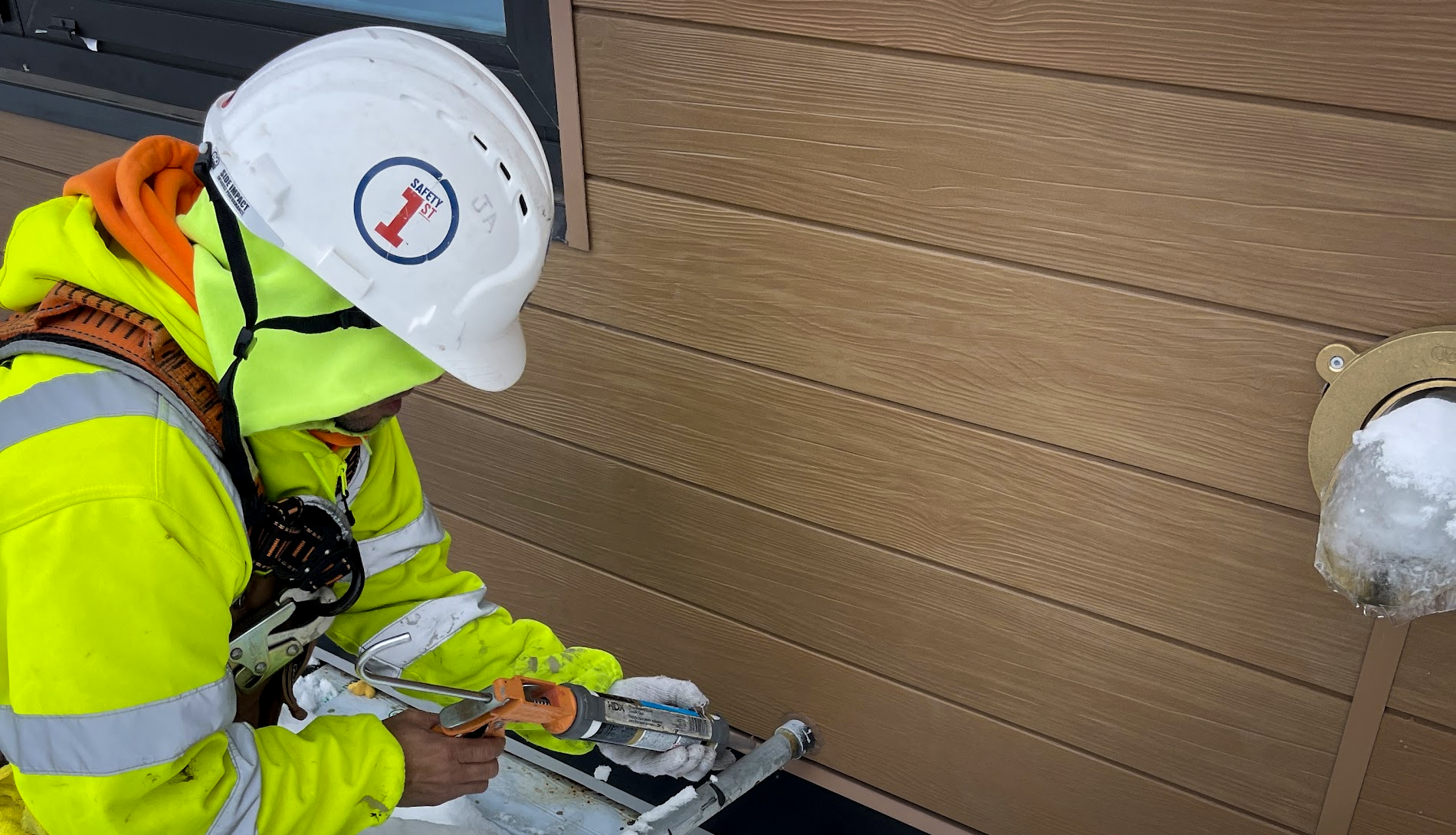
Institutional projects do not allow room for relearning or improvisation. Execution has to be consistent across locations, finishes, and project types, even when compliance requirements differ.
In-house labor, continuous training, and disciplined field leadership create that consistency. They reduce coordination friction, support certified payroll and clearance requirements, and protect schedules from unnecessary recovery.
The result is not faster work. It is steadier work.
Fit Determines Outcome
Not every institutional project is the right fit.
Projects succeed when expectations, risk, and control are aligned early. They struggle when the scope is unclear, assumptions go unchallenged, or execution authority is fragmented.
Construction Ahead prioritizes work where early control can be established and carried through completion. That discipline protects clients, partners, and the public environments these buildings serve.